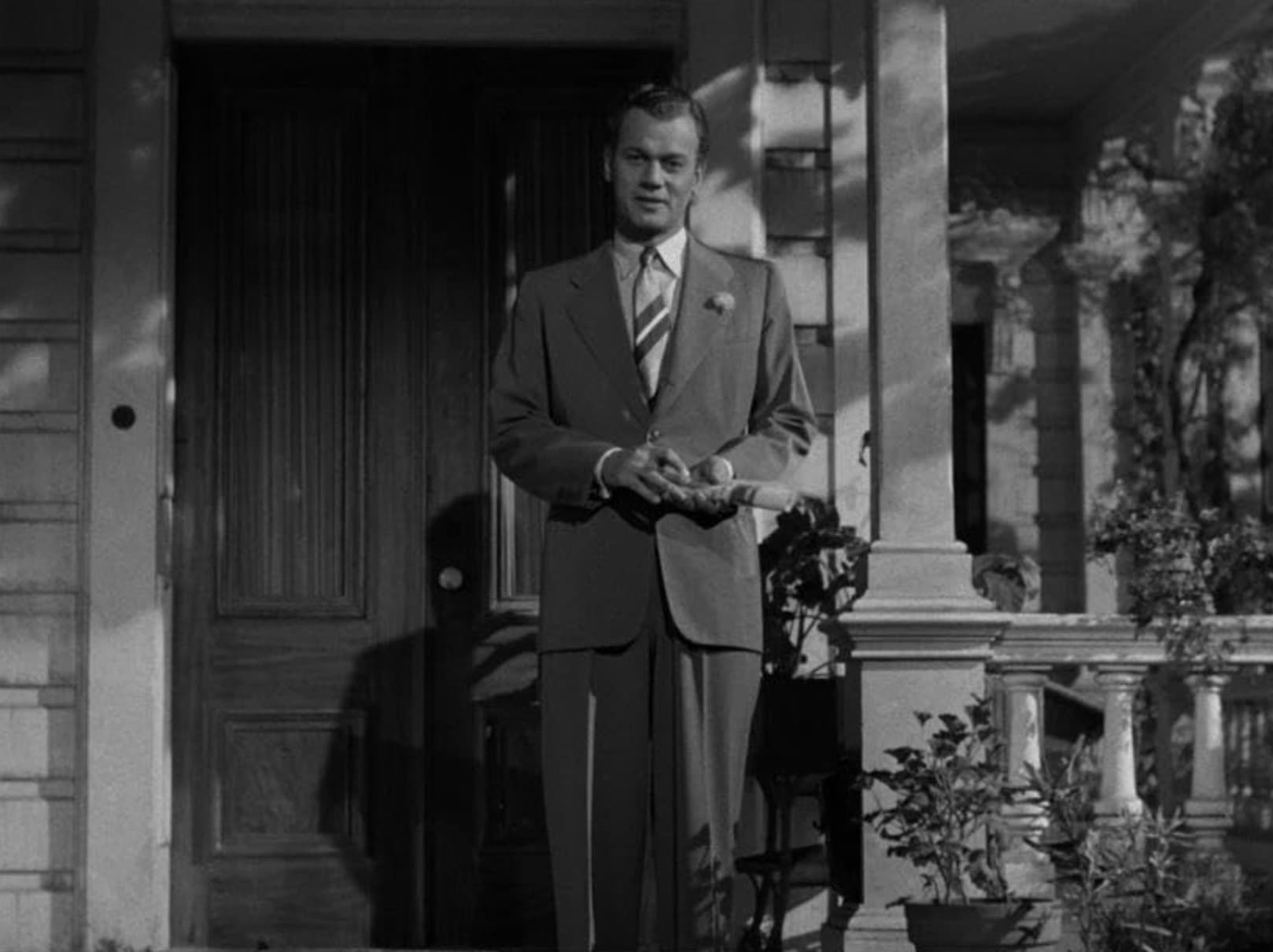
Uncle Charlie the Dark Apostle
⚠︎ This article contains spoilers for Shadow of a Doubt (1943). I highly recommend you watch the film before reading.
I think I've made a new discovery about an 83-year-old film. At the very least, I can't find evidence of this discovery in any of the analysis I've seen of this film online.
I'd read that Shadow of a Doubt (1943) was Alfred Hitchcock's favorite of his own films, something that landed in the “fun fact” territory of my mind without further exploration during my initial viewing. This, despite my recurring confusion about how many of the characters were acting and talking during the film: weird relationships, random outbursts, odd phrasing… I found the film to be entertaining enough, but it didn't blow me away by any means.
During my second viewing, I found myself hooked by a seemingly minor detail: repeated mentions of St. Paul. The first: Uncle Charlie, “Standing there, you don't look like Emma Newton. You look like Emma Spencer Oakley of 46 Burnham Street, St. Paul, Minnesota.” The second, Charlie again, at the dinner table, “You know what St. Paul said: ‘Take a little wine for thy stomach's sake.’”
Entering spoiler territory now, it's worth pausing to give some additional details about Uncle Charlie. Charlie opens the movie on the run from the law. We learn fairly quickly that he is being pursued as the Merry Widow Murderer, a serial killer of widows who then steals their fortunes. We also learn through his sister, Emma, that he experienced a tragic bicycle accident that changed him permanently.
A Little Wine
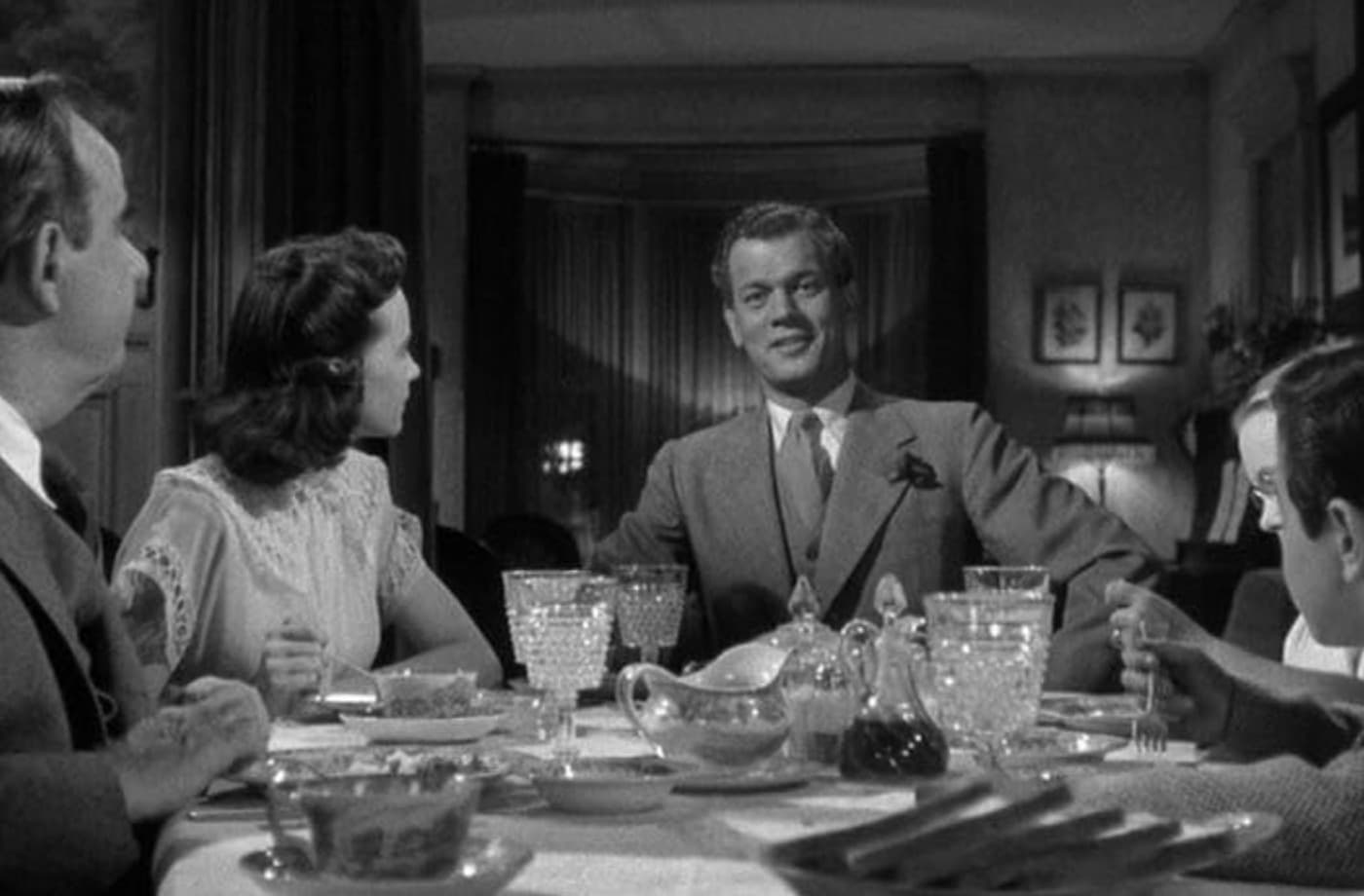
So I pulled on the second thread, “Take a little wine for thy stomach's sake.” Not cited in the film, of course, but this is 1 Timothy 5:23. This is the only Bible verse quoted in the entire film, it's casually tossed off, and yet it's the key to what I'm now dubbing my Dark Apostle theory. Open 1 Timothy 5 and you will see that this chapter has a great deal to say about… WIDOWS.
5 Now she that is a widow indeed, and desolate, trusteth in God, and continueth in supplications and prayers night and day.
6 But she that liveth in pleasure is dead while she liveth.
Reading the chapter in full reveals that this may, in fact, be the urtext for Uncle Charlie's entire mode of being.
8 But if any provide not for his own, and specially for those of his own house, he hath denied the faith, and is worse than an infidel.
Does this explain Charlie's constant gift-giving and promises to purchase them a new house and car?
13 And withal they learn to be idle, wandering about from house to house; and not only idle, but tattlers also and busybodies, speaking things which they ought not.
Is Charlie echoing this verse in his dinner table rant? “You see them in hotels, the best hotels, by the thousands, playing all afternoon and all night, smelling of money, proud of their jewelry, proud of nothing else.”
I don't want to stretch this too far, but the simple fact that Uncle Charlie quotes from a chapter that is all about widows is itself a new discovery, as far as I've been able to confirm.
The Conversion of Uncle Charlie
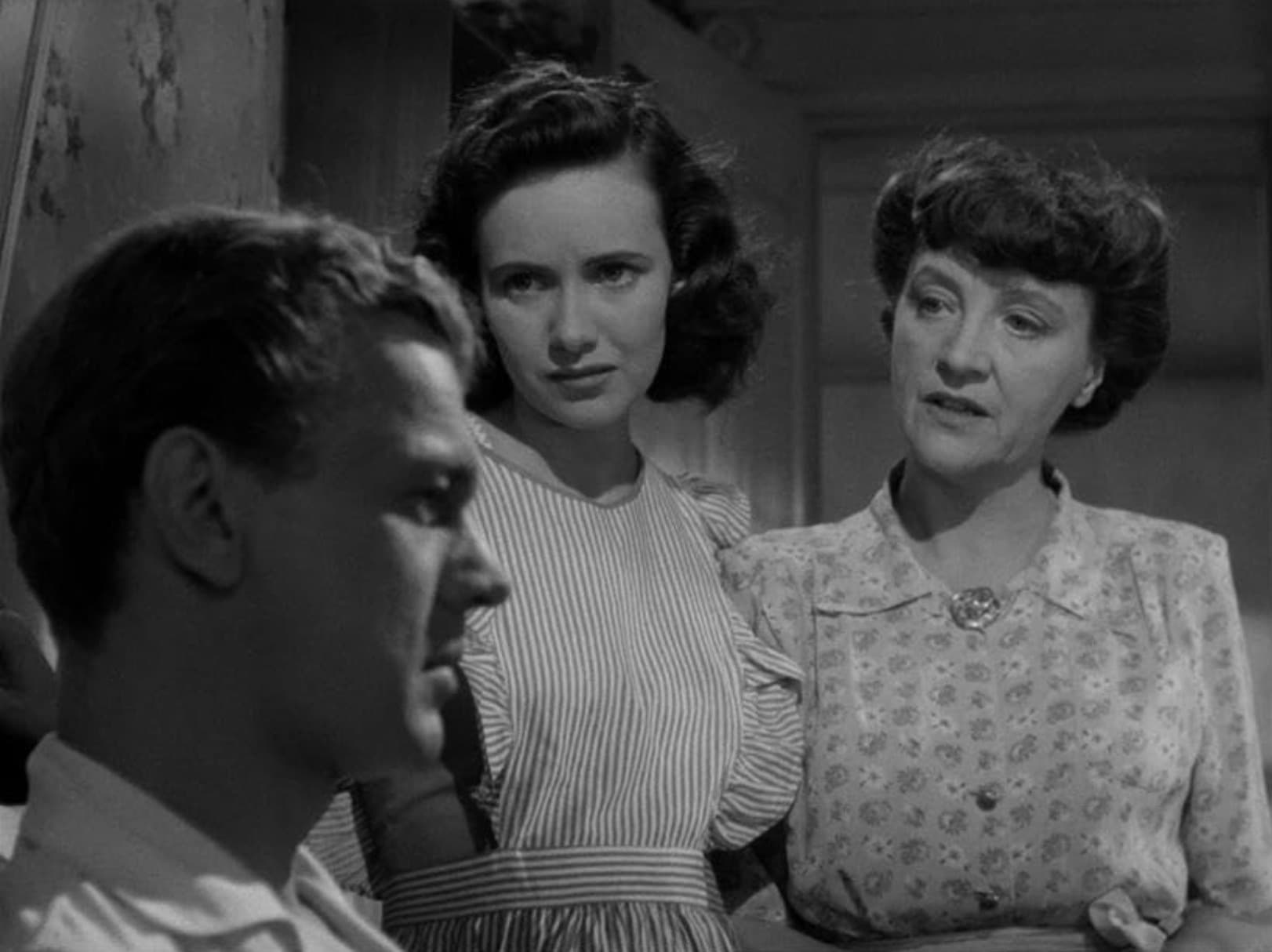
I mentioned earlier how odd I'd found some of the phrasing, and one of these moments is one degree away from the first mention of St. Paul. Thanks to Uncle Charlie, we know he and Emma grew up in St. Paul, Minnesota, and Emma later recounts the only story we hear about his childhood.
I always said Papa should never have bought you that bicycle. You didn't know how to handle it! Why, Charlie, he took it right out on the icy road and skidded into a street car. We thought he was going to die. Well, he almost did, let me tell you. He had a fractured skull and he was laid up so long, and when he got well, there was no holding him. It was as though all that rest he got was too much for him and he had to get into all sorts of mischief to blow off steam. He didn't read much after that, let me tell you!
Why all the trouble to lay out every step of this journey? I now believe it's because it was meant to map one-to-one with another conversion story. That's right. St. Paul's.
| Acts 9 | Shadow of a Doubt |
|---|---|
| “as he journeyed, he came near Damascus” | “he took it right out on the icy road” |
| “he fell to the earth” | “skidded into a street car” |
| “his eyes were opened, he saw no man” | “He had a fractured skull” |
| “three days without sight” | “laid up so long” |
| “received sight… and was strengthened” | “when he got well” |
| “straightway he preached Christ” | “there was no holding him” |
| Saul becomes devoted to the Word | “He didn't read much after that” |
They both fell off of their rides and converted. Note that Charlie's story is inverted.
The Dark Apostle Theory
Uncle Charlie's conversion parallels St. Paul's, except he transforms from a quiet reader to, eventually, a killer, who perverts the text of St. Paul for his selfish and self-preserving ends. He preaches throughout the movie (“I seem to be making my speech here”), attempting to convert members of his family to his violent, nihilistic view of the world. Uncle Charlie is an inverted Paul, a dark apostle.
While I can't claim that Hitchcock intended for all of this, I'm confident Thornton Wilder did. I now imagine Wilder had 1 Timothy 5 open beside him while writing this entire screenplay. Important to note that Wilder was no stranger to biblical allegory. His previous work was The Skin of Our Teeth.